
Be Informed
Choose a topic to learn more about it, or explore the featured resources below.
-
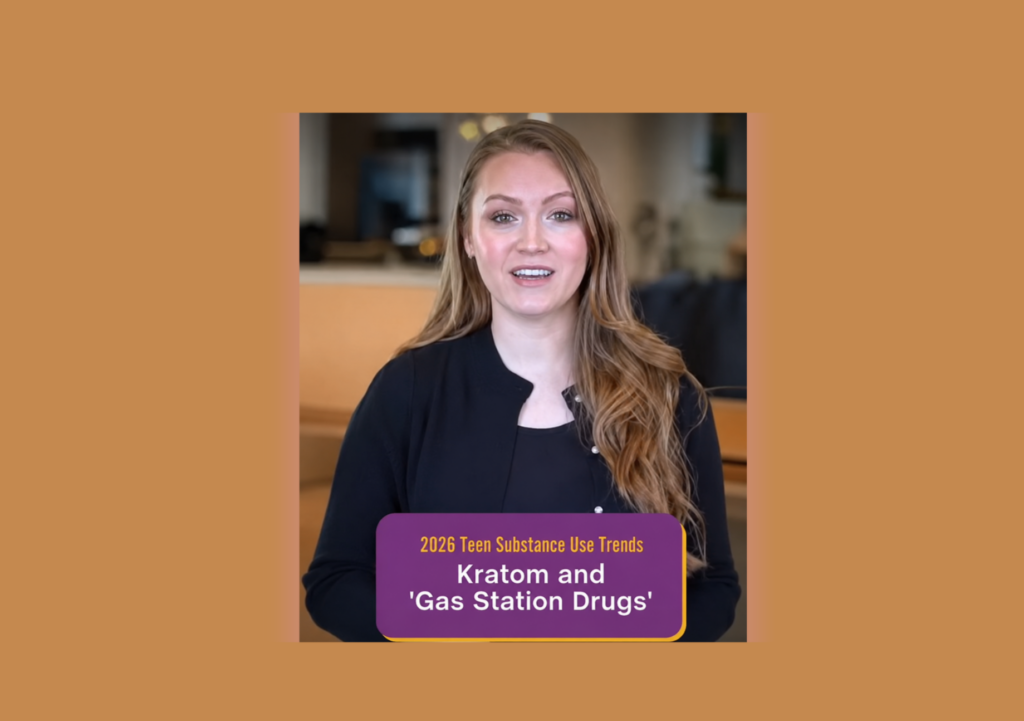
Kratom & 7-OH: What Parents Need to Know
In this video, the Partnership to End Addiction breaks down what kratom is, why it’s being sold in everyday retail locations, and what makes compounds like 7-OH-mitragynine (7-OH) especially risky. Source: Partnership to End Addiction
-

3 Questions Linn County Middle School Students Ask about Vaping
The Linn County Alcohol and Drug Prevention Program has provided substance use prevention classes in Linn County schools for over 20 years. We asked instructors Ashley LeFever, Sarah Daniels, and Shannon Snair to share common questions middle school students have about vaping, and how to answer them. Is vaping safe if it doesn’t contain nicotine?…
-
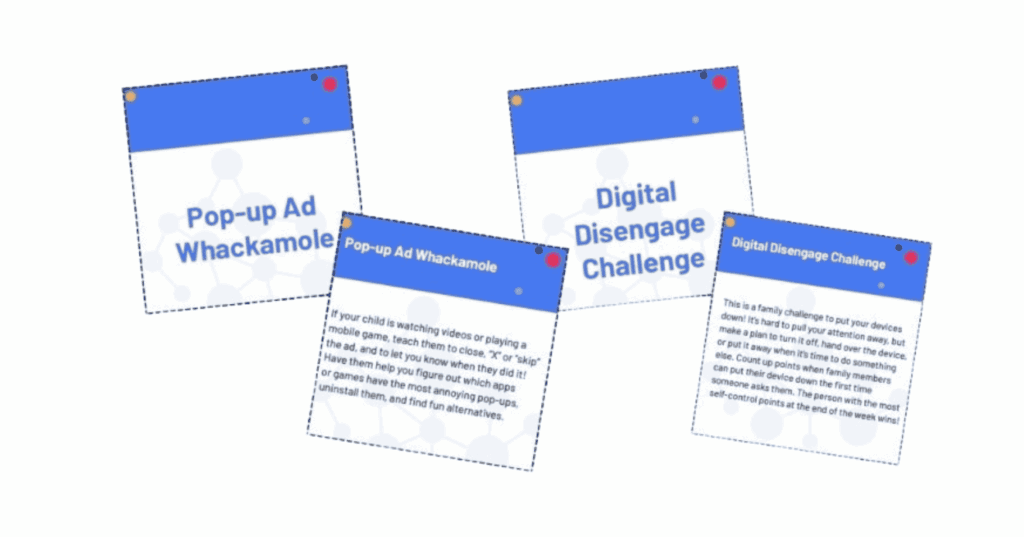
Building Healthy Relationships with Media: Skill-Building Activities for Children
These activity cards include fun skill-building activities and games that parents can use to engage younger children in discussions about media use. Activities include Scam Finder, Pop-up-Ad Whack-a-Mole, and Digital Disengage Challenge. In Spanish and English. Source: Center of Excellence on Social Media and Youth Mental Health Tarjetas de actividades en español
-

What is Problem Gambling?
This two-minute video provides a helpful overview of problem gambling for youth or adults. Source: Oregon Health Authority
-
Medication Lock Box Storage Options
Many medication lock box storage options are available in stores or online. The questions below may help you choose which product works best for you and your family. Source: Take Meds Seriously
-

Social Media, Online Safety, and Youth Mental Health
Best practices and resources for parents and caregivers. Source: Substance Abuse and Mental Health Services Administration
-

Talking to Your Child About Gaming
Here are some tips that adults can use when engaging in conversations about their child’s gaming activities. Source: Minnesota Alliance on Problem Gambling
-

Suicide Warning Signs for Youth and Adults
It’s time to take action if you notice these signs in family or friends. Source: 988 Suicide & Crisis Lifeline Additional suicide and crisis resources available at 988Lifeline.org.
-

Preventing an Opioid Overdose
Know the signs. Save a life. Source: Centers for Disease Control and Prevention